Say Hello to a Fresh-Smelling Yard with This Septic Odor Solution!

Say Hello to a Fresh-Smelling Yard with This Septic Odor Solution!
Is that lingering sewage smell ruining your backyard barbecues and peaceful evenings? A septic system malfunction can quickly transform your outdoor oasis into a smelly nightmare. Don't despair! Before you call in expensive professionals, let's explore simple, effective solutions to banish those unpleasant septic odors and reclaim your yard's fresh, inviting scent. This isn't just about masking the smell; we're targeting the source to achieve long-lasting freshness.
Understanding the Source of the Stench
Septic odor typically originates from hydrogen sulfide gas, a byproduct of bacterial breakdown in your septic tank. This gas escapes through vents, cracks in the system, or even the soil itself, leading to that unmistakable rotten-egg smell. Identifying the source is crucial for effective treatment. Is the smell concentrated near the tank itself, or is it more widespread across your lawn? Knowing this helps pinpoint the problem area and directs your efforts toward the most effective solution.
Simple Solutions for a Sweeter-Smelling Yard
Aerate Your Soil
Compacted soil restricts airflow, preventing the dissipation of septic gases. Regular aeration improves drainage and allows gases to escape harmlessly into the atmosphere. You can achieve this through simple methods like:
- Core aeration: Rent or hire a core aerator to remove small plugs of soil, improving air circulation.
- Topdressing: Spread a layer of compost or other organic material over your lawn to improve soil structure and drainage.
Target the Septic Tank Directly
Directly addressing the septic tank is key. Regular pumping is paramount; a full tank forces wastewater out, leading to leaks and odors. Schedule professional pumping every 3-5 years, or more frequently depending on household size and usage. Additionally, consider using beneficial bacteria. These microbes help break down waste more efficiently, reducing the production of odor-causing gases. Add these bacteria according to the product instructions; they’re available at most home improvement stores.
Planting for a Fresh Scent
Strategic planting can help mask unpleasant smells. Choose aromatic plants known for their strong, pleasant fragrances. Consider lavender, rosemary, or even lemon verbena. Their powerful scents can effectively overpower the septic odor, creating a more inviting atmosphere. Plant these strategically near areas where the odor is most noticeable, effectively acting as a natural air freshener.
When to Call a Professional
While these solutions address many common septic odor issues, some problems require professional intervention. If the odor is persistent despite your efforts, or if you notice signs of a significant leak â€" like soggy patches of ground or unexplained sewage backup â€" it’s crucial to contact a licensed septic system professional. Ignoring serious issues can lead to costly repairs and environmental damage. Early detection is key to preventing a bigger, smellier problem.
By combining these simple strategies and being proactive about your septic system maintenance, you can transform your smelly yard into a fragrant haven. Remember, a fresh-smelling yard is not only more enjoyable but also contributes to a healthier environment.
Preventing Septic Tank Smells from Entering Your Home

Banishing Bogus Bathroom Odors: A Guide to Preventing Septic Tank Smells
That telltale whiff of sewage sneaking into your home is more than just unpleasant; it signals a potential problem with your septic system. Ignoring the smell can lead to larger, more costly issues down the line. But fear not! With proactive maintenance and a little understanding of your septic system, you can banish those bogus bathroom odors for good and create a fresh, clean home environment. This guide provides practical steps to identify and eliminate septic tank smells, ensuring your peace of mind and the health of your home.
Understanding the Source of the Smell
Septic tank smells usually originate from a breach in the system's airtight seal. This can manifest in several ways: a cracked pipe, a poorly sealed tank lid, or even a malfunctioning vent pipe. These breaches allow sewer gases â€" a potent mixture of hydrogen sulfide and methane â€" to escape and infiltrate your home. The smell itself is a clear indication that gases are escaping, but other signs include slow drains, gurgling sounds from the pipes, or even soggy patches of ground near the tank. Identifying the source is the crucial first step to eliminating the problem.
Proactive Measures: Prevention is Key
Preventing septic tank smells is significantly easier than dealing with a full-blown infestation. Regular maintenance is your best defense. Pumping your septic tank every 3-5 years (or more frequently if you have a large family or high water usage) prevents solids from building up and creating pressure, which can lead to leaks. Similarly, avoid overloading your system. Using excessive amounts of water simultaneously can overwhelm the system, causing backups and odors. Think twice before running multiple appliances like washing machines and dishwashers at the same time.
Protecting Your Pipes: The Silent Guardians
Your plumbing plays a crucial role in preventing septic smells. Regular inspections for leaks or cracks in pipes are vital. A seemingly small crack can become a major source of odor over time. Additionally, ensure all pipe connections are properly sealed to prevent gas from seeping out. This includes connections under sinks, in toilets, and anywhere plumbing penetrates the floors or walls. If you notice any signs of corrosion or damage, address them promptly. A professional plumber can quickly identify and fix these issues before they escalate.
Addressing Existing Smells: Troubleshooting and Solutions
If you’re already battling septic smells, take immediate action. First, locate the source. A careful inspection of your plumbing and the tank itself might reveal a crack or a loose seal. If you’re uncomfortable inspecting the tank yourself, call a qualified septic professional. They possess the expertise and equipment to diagnose the problem accurately and provide effective solutions. In the meantime, you can try temporarily masking the smell with baking soda, vinegar, or commercial odor eliminators, but these only address the symptom, not the root cause.
Common Culprits and Their Fixes
Here's a list of common sources of septic smells and how to address them:
- Dry P-traps: P-traps are curved sections of pipe under sinks and other fixtures that hold water, preventing sewer gases from rising. If they dry out, they lose their effectiveness. Run water down the drains occasionally to keep them full.
- Clogged Vent Pipes: Vent pipes release gases from the septic system. A blockage can cause pressure to build up, forcing gases back into your home. A professional plumber can clear blockages.
- Cracked Tank or Pipes: These require professional repair or replacement. Don't delay; this is a major issue.
Addressing septic smells promptly prevents further damage and protects your family's health. Regular maintenance, careful system use, and prompt professional intervention when needed are essential for a fresh-smelling and functional home. Don't let those pesky odors take over; regain control of your home's atmosphere today!
How to Avoid Septic Tank Odors in Humid Climates
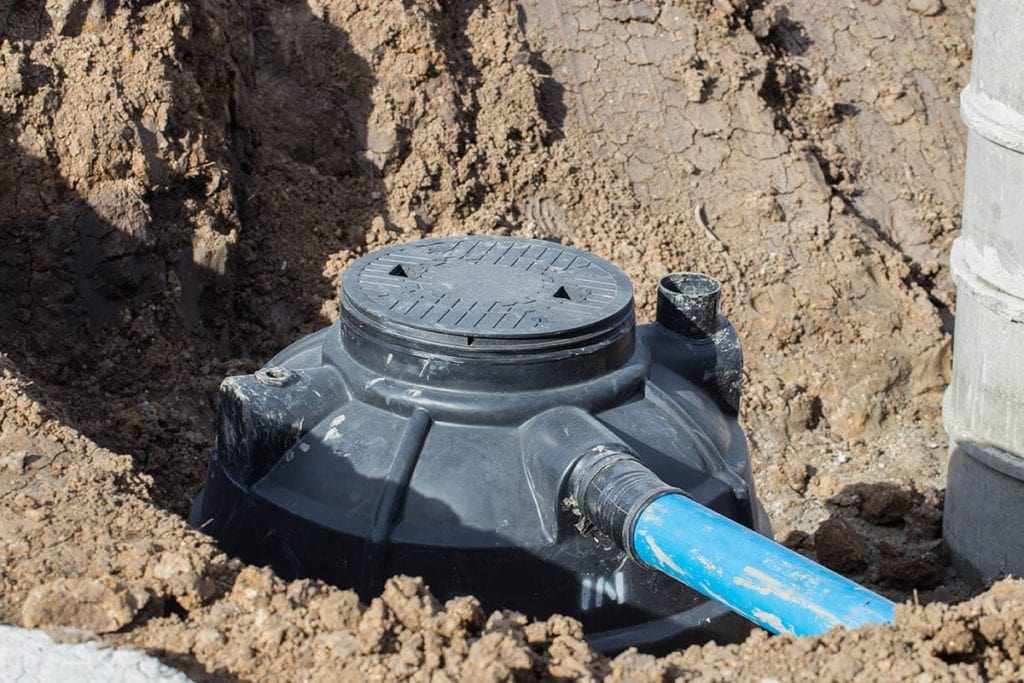
Banishing Those Pesky Septic Tank Odors in Humid Climates
Living in a humid climate has its perks â€" lush greenery, warm weather, and… the ever-present threat of that dreaded septic tank smell creeping into your home. Ugh, right? Believe me, I get it. I've been there, battling those funky odors myself. But don't despair! While humidity makes things a bit trickier, it's definitely manageable. This guide is your battle plan for keeping those septic tank smells at bay, even in the most humid of environments.
Understanding the Humidity-Odor Connection
Before we dive into solutions, let's quickly talk about *why* humidity makes septic tank odors worse. Simply put, humid air holds more moisture. And that moisture helps those smelly gases â€" things like hydrogen sulfide and methane â€" stay suspended in the air longer. They don't dissipate as quickly as they would in drier climates, making them more likely to waft into your home. Think of it like this: humidity is the perfect accomplice for those smelly gases, helping them linger and make your life miserable.
Proactive Steps to Prevent Septic Tank Odors
The best way to deal with septic tank odors is to prevent them in the first place. Think of this as a proactive defense strategy. Here's how to build a strong one:
Regular Septic Tank Pumping
This is the cornerstone of odor prevention. A full septic tank is a recipe for disaster â€" literally! When your tank is overflowing or nearing capacity, wastewater backs up, leading to the release of those nasty gases. Schedule regular pumping based on your household size and usage. A good rule of thumb is every 3-5 years, but your septic system installer can give you a more precise timeline. Don't wait for problems to arise â€" be proactive!
Smart Wastewater Management
What goes down your drains plays a significant role. Avoid flushing things that don't belong there, like:
- Flushable wipes: These are a major culprit! They don't break down easily and can clog your system.
- Feminine hygiene products:
- Cotton balls and Q-tips:
- Excessive amounts of grease and oil:
- Paper towels:
- Coffee grounds (in large quantities):
These items can contribute to clogs and create anaerobic conditions (lack of oxygen) in your tank, leading to increased odor production. Think of your septic system as a delicate ecosystem; treat it with respect!
Maintaining Your Drain Field
Your drain field is where the treated wastewater disperses into the soil. It's crucial to keep this area clear of anything that could impede its function. Avoid driving or parking over your drain field. Heavy vehicles can compact the soil, hindering drainage and potentially leading to backups and odors. Also, ensure that there's proper vegetation around the area; don't let it get overgrown.
Regular Inspections
Just like a car needs regular maintenance, your septic system does too. Schedule annual inspections with a qualified septic professional. They can identify potential problems early on, before they escalate into major (and smelly) issues.
Addressing Existing Odors: Reactive Measures
Even with the best preventative measures, odors can still sneak up on you. Here's what to do if you've already got a stinky situation on your hands:
Identify the Source
Before you start spraying air fresheners (which only mask the problem, not solve it!), try to pinpoint the source of the odor. Is it coming from the septic tank itself, a drain in your house, or the vent pipe outside?
Ventilation is Key
Good ventilation is essential for removing odor-causing gases. Ensure your septic tank vent pipe is unobstructed and extends high enough above ground. If you notice any clogs or blockages, have a professional clear them. Consider installing additional vents in your home's bathrooms and laundry room if you are still struggling with lingering smells. Proper ventilation makes a HUGE difference!
Enzyme Treatments
These are helpful in breaking down organic matter in your septic tank, reducing odor-causing bacteria. Follow the instructions carefully. They're not a replacement for regular pumping but can be a useful addition to your septic maintenance routine.
Baking Soda and Vinegar
This is a quick fix for minor odor issues. Pour a cup of baking soda down a smelly drain, followed by a cup of vinegar. Let it fizz, then flush with hot water. This isn't a long-term solution, but it can temporarily neutralize odors.
Professional Help
If the odor persists despite your efforts, it's time to call in the professionals. A septic service can diagnose the problem and provide the appropriate solution, whether it's pumping, repairs, or even system replacement.
Living with a Septic System in a Humid Climate: Long-Term Strategies
Living with a septic system in a humid climate requires a bit more vigilance, but it's entirely manageable. By adopting these long-term strategies, you'll significantly reduce your chances of encountering those unpleasant septic odors:
- Regular Maintenance is Your Best Friend: Don't skip those regular pumping and inspections. They're truly worth their weight in gold (and will save you a lot of smelly headaches).
- Mindful Water Usage: Reducing water usage can lessen the load on your system, potentially preventing backups.
- Landscaping Considerations: Ensure proper drainage around your septic system. Avoid planting trees with extensive root systems near your drain field, as they could damage the pipes.
- Stay Informed: Keep learning about septic systems and maintenance. There's always more to learn, and the more you know, the better you can protect your system (and your nose!).
Commonly Asked Questions
Q: How often should I pump my septic tank?
A: The frequency depends on your household size and water usage. Generally, every 3-5 years is a good rule of thumb, but it's best to consult with a septic professional for a personalized recommendation.
Q: What if I smell sewer gas inside my house?
A: This is a serious issue! It could indicate a backup or leak in your septic system. Contact a septic professional immediately.
Q: Can I use bleach to clean my septic tank?
A: No, bleach can actually harm the beneficial bacteria in your septic tank that aid in the breakdown of waste. Stick to enzyme treatments or call a professional for cleaning if needed.
Q: What are the signs of a failing septic system?
A: Signs include slow drains, gurgling sounds from drains, foul odors, sewage backups, and lush, unusually green grass over your drain field. If you notice any of these, contact a professional immediately.
Q: How much does septic tank pumping cost?
A: The cost varies depending on your location and the size of your tank. It's best to get quotes from several septic service providers in your area.
Remember, a little proactive effort goes a long way in preventing those nasty septic tank odors, especially in humid climates! Happy odor-free living!
How to Get Rid of Septic Tank Smell Without Chemicals

Eliminating Septic Tank Odors Naturally: A Comprehensive Guide
The unpleasant odor emanating from a septic system is a common concern for homeowners. While chemical treatments offer a quick fix, they can be detrimental to the environment and the health of your septic system itself. This guide explores effective, chemical-free methods to neutralize and prevent septic tank smells, promoting a cleaner, healthier, and more environmentally responsible approach to wastewater management.
Understanding the Source of Septic Tank Odors
Before addressing the odor problem, it’s crucial to understand its origin. Septic tank odors typically arise from the release of volatile organic compounds (VOCs) produced during the anaerobic decomposition of organic waste. These gases, including hydrogen sulfide (which smells like rotten eggs), methane, and various other sulfides, escape if the septic system isn't functioning optimally or if there's a breach in the system's integrity.
Common Causes of Septic Tank Odor:
- Insufficient ventilation: A poorly ventilated septic tank allows gases to build up and escape into the surrounding environment.
- Clogged drain field: A blocked drain field prevents wastewater from properly dispersing, leading to a buildup of solids and increased gas production within the tank.
- Cracks or leaks: Damages in the septic tank itself or its connecting pipes can allow gases to escape into the surrounding soil and air.
- High water table: A high water table can impede the proper drainage of wastewater from the drain field, resulting in backups and odor issues.
- Improper maintenance: Neglecting regular pumping of the septic tank allows sludge to accumulate, exceeding the tank's capacity and increasing gas production.
- Excessive use of harsh chemicals: Ironically, the use of certain chemical drain cleaners can disrupt the bacterial balance within the septic system, leading to increased odor production.
Natural Methods to Eliminate Septic Tank Odors
Addressing septic tank odors naturally involves a multifaceted approach focusing on improving the system's functionality and mitigating gas release. This includes preventative measures and immediate solutions to neutralize existing odors.
Improving Septic System Functionality:
- Regular pumping: Schedule regular septic tank pumping by a qualified professional. This prevents sludge buildup, which is a primary contributor to odor production. The frequency depends on household size and wastewater volume, but generally, every 3-5 years is recommended.
- Proper wastewater management: Avoid flushing inappropriate items down the toilet, such as grease, feminine hygiene products, and excessive amounts of paper. These can clog pipes and impede the proper functioning of the system.
- Water conservation: Reducing water usage minimizes the load on the septic system, reducing the amount of waste that needs to be processed and thereby reducing odor production.
- Inspection and maintenance: Conduct regular inspections of the system to identify any potential cracks, leaks, or blockages. Address these issues promptly to prevent gas escape.
- Enhancing bacterial activity: Introduce beneficial bacteria through commercially available septic system additives formulated to enhance the decomposition process. These are often environmentally friendly and are formulated without harsh chemicals. Note that it is crucial to select products specifically designed for septic systems.
Natural Odor Neutralizers:
While addressing the underlying issues is critical, certain natural remedies can help neutralize existing odors temporarily. These should be used in conjunction with proper maintenance practices, not as a replacement.
- Baking soda and vinegar: Pour one cup of baking soda followed by one cup of vinegar down the toilet. This creates a fizzing reaction that helps to neutralize some of the sulfurous gases responsible for the smell. It is essential to follow this with a substantial amount of water to flush the mixture through the system.
- Activated charcoal: Activated charcoal is a highly porous material that effectively absorbs odors. While not a direct solution to the problem, it can be strategically placed near the septic tank access point to absorb some of the escaping gases (if the source of the smell is clearly identified as the tank itself). Ensure that it is disposed of properly after use.
- Ground coffee beans: Placing bowls of freshly ground coffee beans near potential odor sources can absorb some of the unpleasant smells. This is a temporary solution and needs to be changed regularly as the coffee beans become saturated.
- Air circulation: Ensure adequate air circulation around the septic tank area. This helps to disperse any escaping gases and prevents them from concentrating and becoming overly pungent. Proper landscaping and pruning can significantly contribute to improved airflow.
Preventing Future Odor Problems
Proactive measures are essential to prevent septic tank odors from recurring. A well-maintained system is less likely to produce unpleasant smells.
Preventative Maintenance Strategies:
- Regular inspections: Schedule annual inspections by a qualified septic system professional to detect any potential problems early.
- Responsible waste disposal: Maintain good hygiene habits and avoid disposing of harmful materials down the drain or toilet.
- Proper landscaping: Avoid planting trees or shrubs with extensive root systems near the septic tank or drain field, as their roots can damage the system's infrastructure.
- Avoid driving over the drain field: Heavy vehicles can compress the soil and damage the drain field, impeding proper drainage.
- Monitor for changes: Be aware of any unusual changes in water flow or odor intensity. Address any concerns promptly.
By implementing these natural and environmentally friendly methods, homeowners can effectively eliminate and prevent septic tank odors without resorting to harsh chemicals. Remember that consistent maintenance and a proactive approach are key to ensuring a well-functioning septic system and a pleasant living environment.
Why Septic Tanks Smell Worse After Rain: Common Causes Explained

Septic Tanks Smell Worse After Rain: Common Causes Explained
Have you ever noticed that your septic tank seems to emit a more pungent odor after a heavy rainfall? You're not alone. Many homeowners experience this phenomenon, and it can be a source of both frustration and concern. The good news is that it's usually not a sign of a serious problem, but understanding the underlying causes can help you address the issue and prevent it from recurring.
The Science Behind the Smell
Septic tanks rely on a natural process of bacteria to break down waste. These bacteria thrive in an anaerobic environment, meaning one without oxygen. Rainwater can disrupt this balance in several ways, leading to the release of unpleasant odors:
Dilution and Overflow
When rainwater enters your yard, it can seep into the septic system through cracks in the leach field or overflow pipes. This influx of water dilutes the bacterial concentration within the tank, making it less effective at breaking down waste. As a result, partially decomposed waste and gases can escape through vent pipes or other openings, causing the strong smell.
Flushing of Solids
Rainwater can also cause solids to be flushed out of the septic tank and into the leach field. These solids can clog the drainage system, preventing proper filtration and leading to a buildup of bacteria and gases. This buildup can then be forced out of the tank through the vents, resulting in the unpleasant smell.
Common Causes of Septic Tank Odors After Rain
While rainwater is a primary culprit, other factors can exacerbate the problem:
- Overloaded Septic Tank: If your septic tank is full or nearing capacity, rainwater can easily overwhelm the system and cause overflow. This increases the likelihood of solids being flushed out and odors escaping.
- Faulty Septic System: A broken vent pipe, cracked leach field, or damaged tank can allow odors to escape more readily, especially after heavy rainfall.
- Blocked Drains: Clogged drains in your home can back up wastewater into the septic tank, increasing the volume and concentration of waste, leading to more odor.
- Improper Landscaping: Planting trees or shrubs too close to the leach field can damage the drainage system and hinder the effectiveness of the septic system.
What You Can Do
Here are some steps you can take to reduce the chances of your septic tank smelling after rain:
- Regular Maintenance: Get your septic tank inspected and pumped regularly to ensure it's operating efficiently and prevent overflow.
- Be Mindful of Water Usage: Limit water usage during heavy rainfall to prevent excess water from entering the septic system. Consider taking shorter showers, running the washing machine less often, and avoiding unnecessary water usage.
- Check for Leaks: Repair any leaks in your plumbing system and in the septic tank itself to prevent excess water from entering the system.
- Maintain Your Yard: Avoid planting trees or shrubs too close to the leach field and ensure proper drainage around the system.
Remember, a well-maintained septic system will function effectively and minimize the chance of unpleasant odors, even after heavy rainfall. If you're concerned about your septic system, consult with a qualified professional to address any potential issues.
Why Your New Septic Tank Might Be Giving Off Smells and How to Handle It
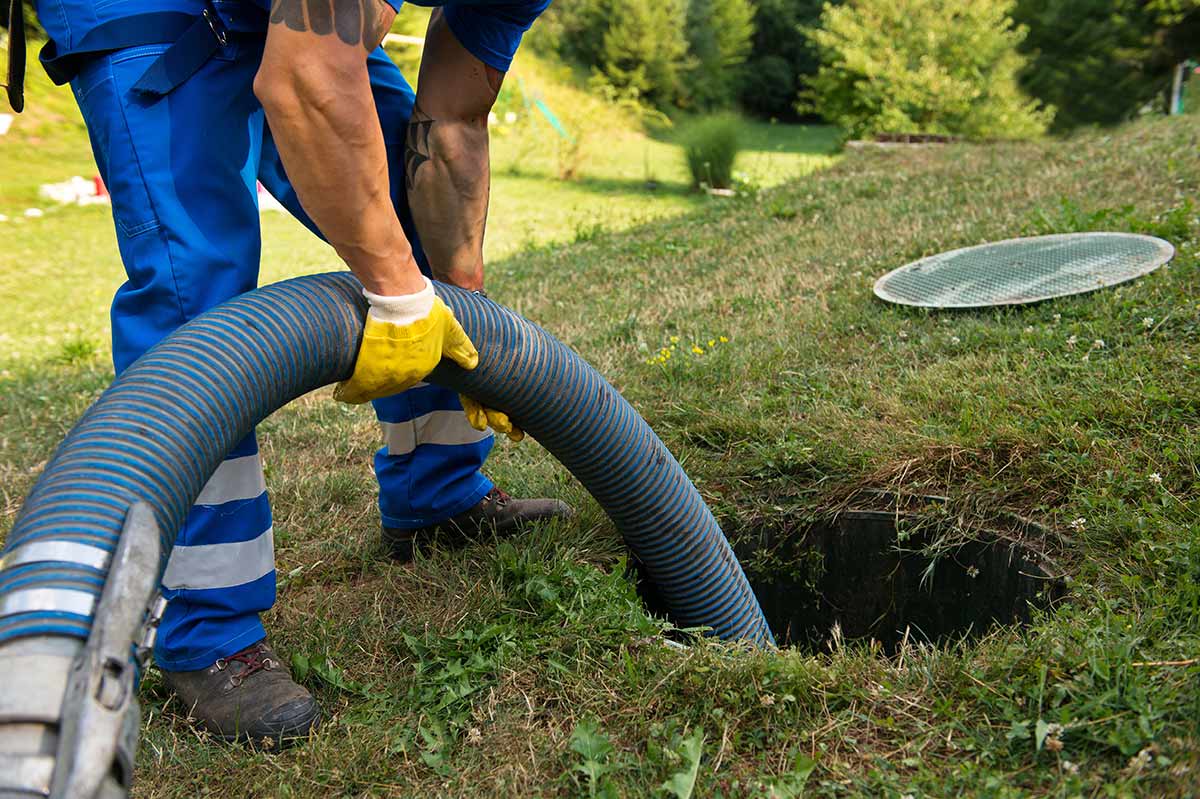
Your New Septic Tank Smells: What’s Wrong and How to Fix It
A new septic system is an investment in your property, promising efficient waste disposal and a clean environment. However, sometimes, even new septic tanks can emit unpleasant odors, causing concern and disrupting your peace of mind. Don't panic! These smells are usually a sign of a minor issue, often easily addressed with proper troubleshooting and maintenance. This guide delves into the common causes of septic tank odors and provides practical solutions to eliminate them.
Common Causes of Septic Tank Odors
Septic tank odors usually originate from the breakdown of organic matter in the tank, leading to the release of gases like hydrogen sulfide, which has a characteristic rotten egg smell. Several factors can contribute to these odors, including:
1. Improper Installation
A poorly installed septic system is a major culprit behind odor problems. If the tank is not properly leveled or the vent pipe is incorrectly installed, it can disrupt the natural flow of gases, leading to backflow and odor. Ensure your installation was done by a qualified and experienced contractor.
2. Insufficient Bacteria
Septic tanks rely on a healthy population of bacteria to break down waste. If there aren't enough bacteria present, the waste may not decompose properly, causing odor problems. This can happen during initial setup or if the tank hasn't been properly maintained over time.
3. Overloading the Tank
A new septic system might not have been properly sized for your household. Using too much water or having too many people in the household can overload the tank, causing it to back up and emit odors. Regularly monitor your water usage and consult with a septic professional if you are concerned about overloading.
4. Clogged Drainfield
While the drainfield is separate from the septic tank, a clogged drainfield can affect the overall system. If wastewater can't properly drain out, it can back up into the tank and cause odors to rise. Ensure the drainfield is free of debris and maintained as recommended.
5. Vent Pipe Issues
The vent pipe is crucial for releasing gases from the septic tank to the atmosphere. A blocked vent pipe can trap these gases, forcing them to find alternative exits, often through your plumbing fixtures. Inspect your vent pipe for any obstructions.
Dealing with Septic Tank Odors
Once you have identified the potential cause of the odors, it's time to take action. Here are some solutions:
1. Call a Professional
For complex issues, it's best to contact a qualified septic service provider. They can thoroughly inspect your system, pinpoint the problem, and provide the most effective solutions.
2. Maintain Proper Water Usage
Monitor your water usage and avoid overloading the system. Limit showers and baths, run appliances like washing machines and dishwashers less frequently, and be mindful of water usage in general.
3. Add Septic Tank Additives
Septic tank additives containing beneficial bacteria can help break down waste more efficiently and reduce odors. Follow the product instructions carefully and use them as directed.
4. Clean the Vent Pipe
Ensure the vent pipe is free from obstructions. You can use a brush or a drain snake to clear any blockages. If the vent pipe is severely damaged or blocked, call a professional for repair or replacement.
5. Inspect the Drainfield
Check the drainfield for any signs of clogging or damage. If necessary, contact a professional for drainfield cleaning or repairs.
Prevention is Key
Maintaining a septic system is crucial for preventing odor problems and ensuring its long-term efficiency. Here are some preventive measures you can take:
- Regular Inspections: Schedule regular inspections of your system, at least once every two years, by a qualified septic contractor.
- Regular Maintenance: Pumping the tank every 3-5 years, depending on usage, is essential to remove accumulated sludge and prevent odor issues.
- Avoid Harsh Chemicals: Avoid using harsh chemicals like bleach and disinfectants in your system as they can kill off beneficial bacteria and disrupt the system's balance.
- Protect the Drainfield: Keep heavy traffic and vehicles off the drainfield to prevent damage.
By following these tips, you can effectively manage septic tank odors and ensure your system is functioning correctly, providing a safe and odor-free environment for your home.
What You Need to Know About the Danger of Septic Tank Smells in the House

The Danger of Septic Tank Smells in the House: A Comprehensive Guide
The presence of a septic tank smell in your home is not only unpleasant but also potentially dangerous. It signals a problem with your septic system that needs immediate attention. This article will delve into the causes, dangers, and solutions associated with septic tank smells, providing you with the knowledge to address this issue effectively.
Causes of Septic Tank Smells
Septic tank smells emanate from the breakdown of organic waste within the tank. The odor is primarily caused by hydrogen sulfide gas, a byproduct of anaerobic bacteria decomposing sewage. Several factors can contribute to the emergence of these smells in your house:
1. Overloading the Septic Tank:
When the septic tank is overloaded with waste, it can't process it efficiently. This leads to a buildup of sludge and scum, creating an environment conducive to gas production and potential leaks. Overloading can occur due to:
- Excessive water usage, like frequent showering, laundry, or dishwashing.
- Incorrect disposal of materials like grease, oils, and medications that can clog the system.
- Large gatherings or events that generate significant wastewater.
2. Clogged Drain Field:
The drain field is responsible for filtering and releasing treated wastewater back into the environment. If the drain field becomes clogged due to accumulated sludge, grease, or root intrusion, the treated wastewater will back up, causing foul odors to seep into the house.
3. Faulty Septic Tank Components:
Damaged or malfunctioning components, such as a cracked tank, broken vent pipe, or leaking pipes, can allow sewage to escape and emit a strong odor. These leaks can also contaminate groundwater and pose health risks.
4. Improper Maintenance:
Regular maintenance is crucial for maintaining the efficiency of your septic system. Neglecting to pump the tank regularly, inspect the drain field, or address minor problems can lead to larger issues and unpleasant smells.
Dangers of Septic Tank Smells
Septic tank smells are more than just a nuisance; they can pose serious health and safety risks. Here are some of the potential dangers:
1. Health Risks:
The gases released from a septic tank can be harmful to human health. Hydrogen sulfide, in particular, is toxic and can cause respiratory problems, headaches, dizziness, and even death in high concentrations. Other gases present, such as ammonia and methane, can also contribute to respiratory irritation and allergies.
2. Fire Hazard:
Methane, a flammable gas, can accumulate within the septic system and potentially ignite, leading to a fire or explosion.
3. Environmental Contamination:
Leaking septic tanks can contaminate groundwater and surface water sources, posing a threat to human health and the ecosystem.
4. Property Damage:
The smell itself can detract from property value. Furthermore, a leaking septic system can cause damage to foundations, walls, and flooring, leading to expensive repairs.
Identifying the Source of the Smell
Determining the exact source of the septic tank smell is crucial for finding the right solution. Follow these steps to pinpoint the problem:
1. Inspect the Septic Tank:
Look for any signs of cracks, leaks, or damage on the tank itself. Check the lid for proper sealing and secure fastening.
2. Examine the Drain Field:
Observe the area where the drain field is located for any signs of saturation, pooling water, or excessive vegetation growth. These could indicate clogging or malfunctioning.
3. Check the Vent Pipe:
Ensure that the vent pipe is not blocked or damaged. It should extend above the roofline and be free from obstructions.
4. Investigate Plumbing Fixtures:
Inspect plumbing fixtures, such as toilets, sinks, and showers, for any leaks or signs of improper drainage. This can help determine if the smell is originating from inside the house.
Solutions for Septic Tank Smells
Once you've identified the source of the smell, you can take appropriate measures to address the problem:
1. Septic Tank Pumping:
Regular septic tank pumping is essential for removing accumulated sludge and scum. Pumping frequency depends on factors like tank size, household size, and water usage. A professional septic service can handle this task safely and efficiently.
2. Drain Field Repair:
If the drain field is clogged or damaged, it needs professional repair or replacement. A certified septic contractor can assess the issue and recommend the best solution.
3. Repairing Damaged Components:
Cracked tanks, broken vent pipes, or leaking pipes require immediate repair by a qualified professional. This ensures proper system operation and prevents further damage.
4. Proper Waste Disposal:
Avoid flushing items that can clog the system, such as grease, oils, medications, and feminine hygiene products. Dispose of these materials properly to prevent overloading and odors.
5. Regular Maintenance:
Schedule regular maintenance inspections for your septic system to detect and address minor problems before they become major issues. This proactive approach can prevent odors and protect your investment.
Professional Help
If you are unsure about the cause of the septic tank smell or feel overwhelmed by the potential solutions, don't hesitate to seek professional help. A certified septic contractor can:
- Diagnose the problem accurately.
- Recommend and implement effective solutions.
- Ensure the safety of your home and the environment.
By understanding the causes, dangers, and solutions associated with septic tank smells, you can proactively address this issue and ensure the safety and functionality of your home's wastewater system.