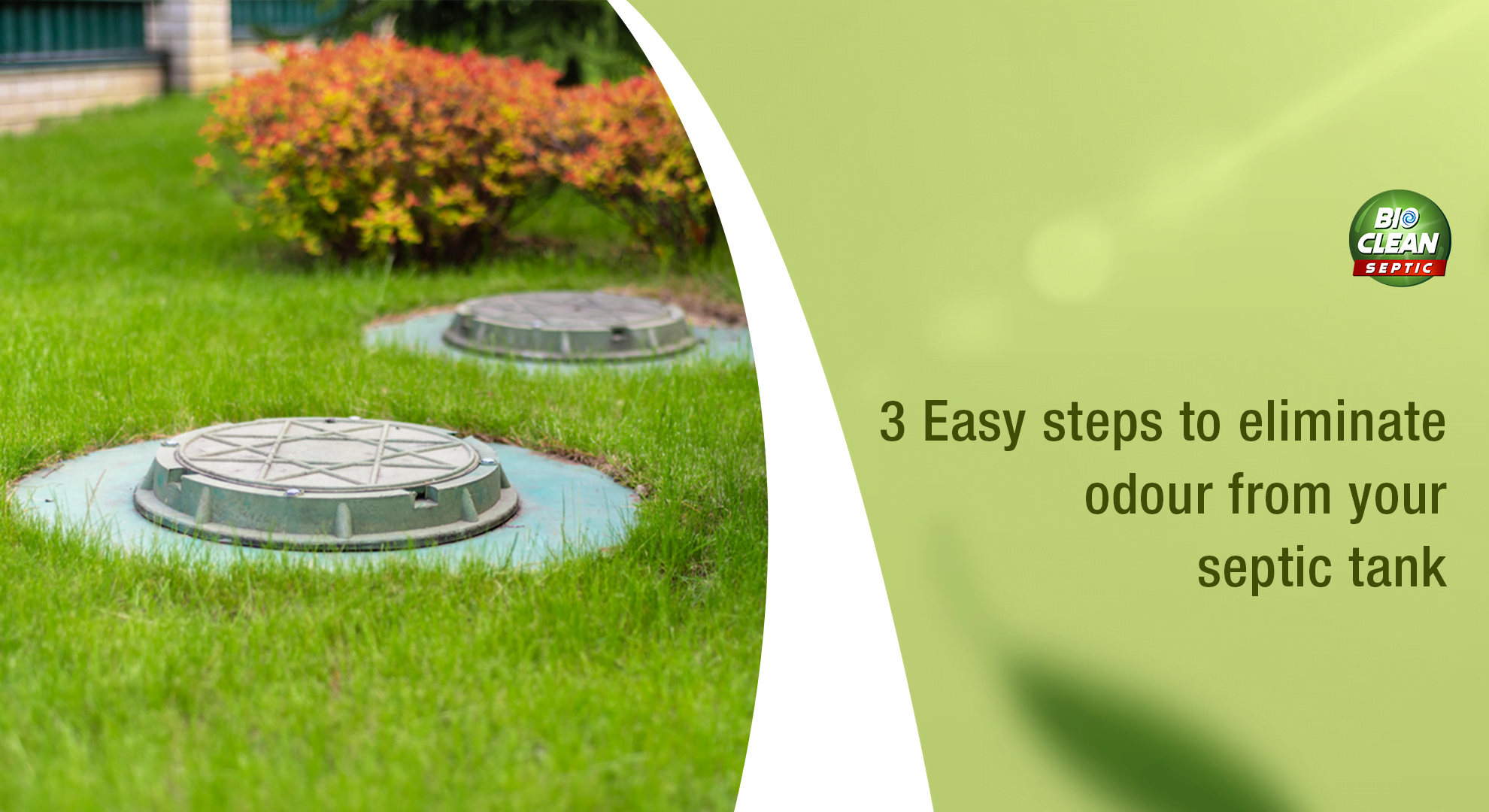
The unwelcome presence of a septic tank odor can be a source of significant discomfort and embarrassment. While the issue may seem daunting, addressing it effectively often involves simple treatments and preventative measures. This comprehensive guide will delve into the common causes of septic tank odors, explore practical solutions, and provide valuable tips for long-term odor control.
Understanding the Source of the Smell:
Septic tank odors typically arise from the breakdown of organic waste in the tank. Anaerobic bacteria, thriving in the oxygen-deprived environment, decompose waste, producing gases like hydrogen sulfide, ammonia, and methane. These gases, if not properly contained, can escape into the surrounding air, leading to the familiar pungent smell.
Common Causes of Septic Tank Odors:
Overloading: When the septic tank becomes overloaded with waste, it can lead to a buildup of solids, hindering the breakdown process and increasing the risk of odor release.
System Failure: Damaged or leaking components within the septic system, such as the tank itself, the distribution box, or the leach field, can allow the release of unpleasant odors.
Poor Drainage: Insufficient drainage, often caused by clogs or blockages in the pipes connecting the house to the septic tank, can lead to wastewater backing up and emitting odors.
Inadequate Ventilation: A lack of proper ventilation in the septic tank itself can result in a buildup of gases that eventually escape into the surrounding environment.
Incorrect Use: Improper disposal of certain waste materials, such as grease, hair, chemicals, and excessive amounts of paper, can disrupt the delicate balance of the septic system, promoting odor production.
Simple Treatments to Eliminate Septic Tank Odors:
1. Enhancing Bacteria Activity:
Commercial Septic Tank Additives: These products contain beneficial bacteria that help break down waste more effectively. Regular use can significantly improve odor control. Look for additives specifically designed for septic systems and follow the manufacturer's instructions carefully.
Natural Solutions: Some natural ingredients can also boost bacterial activity. Consider adding:
Yeast: It provides a natural source of enzymes that aid in the decomposition of organic waste.
Baking Soda: Its alkalinity helps neutralize odors.
Vinegar: Vinegar's acidic properties can help break down grease and other organic materials.
2. Addressing Drainage Issues:
Regular Inspection and Cleaning: Schedule regular septic tank inspections and cleaning by a qualified professional. This ensures proper functioning and minimizes the buildup of waste.
Avoiding Blockages: Be mindful of what you flush down the toilet and avoid pouring grease or other harmful substances down the drain.
Using a Drain Snake: If you suspect a blockage in the pipes connecting your house to the septic tank, a drain snake can help clear the obstruction.
Inspecting the Distribution Box: Check the distribution box for any signs of clogging or leaks.
3. Enhancing Ventilation:
Proper Ventilation: Ensure that the septic tank has adequate ventilation. Look for vent pipes extending above the roofline and ensure they are not blocked.
Adding a Vent: If your septic tank lacks proper ventilation, consider installing a vent pipe to allow for the release of gases without affecting the surrounding air.
4. Neutralizing Odors:
Odor Neutralizing Products: Commercial odor neutralizing products designed for septic tanks can help mask unpleasant smells. Choose products that contain natural ingredients and are safe for use in septic systems.
Activated Charcoal: Place activated charcoal filters near potential odor sources to absorb odors.
Baking Soda: Sprinkle baking soda around the septic tank lid and inside the surrounding soil to absorb odors.
5. Addressing Leaks:
Professional Inspection: If you suspect a leak in your septic system, consult a qualified septic tank professional for a thorough inspection and repair.
Repairing Leaks: Leaking components, such as the tank itself or the distribution box, should be repaired promptly to prevent odor release.
Preventing Future Odors:
Regular Maintenance: Schedule regular septic tank inspections and cleaning to prevent overloading and system malfunctions.
Proper Waste Disposal: Avoid flushing unnecessary items down the toilet, such as wipes, paper towels, and medications.
Water Conservation: Reduce water usage to minimize the volume of wastewater entering the septic system.
Landscaping: Proper landscaping around the septic tank area can help prevent water runoff and ensure adequate drainage.
Avoid Chemical Use: Limit the use of harsh chemicals in your home, as these can harm the beneficial bacteria in your septic tank.
Conclusion:
Addressing septic tank odors effectively requires a proactive approach that combines simple treatments and preventative measures. By understanding the underlying causes, implementing these strategies, and maintaining a consistent routine, you can minimize the risk of encountering unpleasant smells and ensure the long-term health of your septic system. Remember, consulting a qualified professional is essential for addressing complex issues or when odors persist despite implementing these steps. A well-maintained septic system is essential for maintaining a comfortable and healthy living environment.


