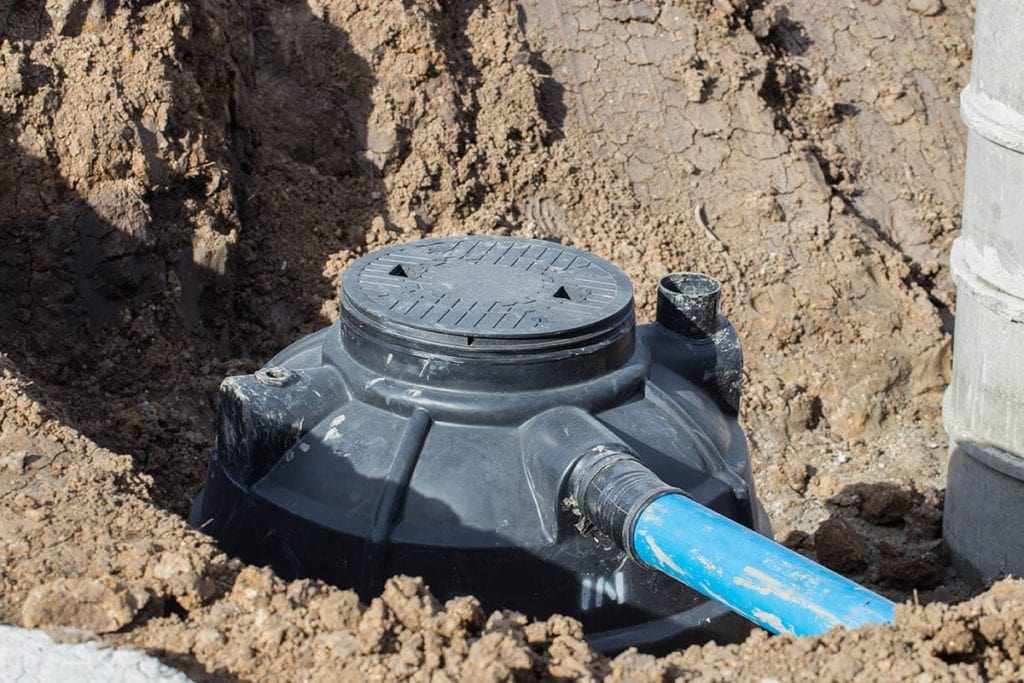
Controlling Septic Tank Smells Naturally in Your Lawn
A well-maintained septic system is crucial for a healthy and pleasant living environment. However, occasional unpleasant odors can arise, particularly in the warmer months. While septic tank smells are usually an indicator of a problem, addressing the issue naturally can be an effective and eco-friendly approach. This article explores various natural methods to control septic tank smells in your lawn, ensuring a fresh and inviting outdoor space.
Understanding the Source of Septic Tank Odors
Septic tank smells often originate from the release of hydrogen sulfide gas, a byproduct of the breakdown of organic waste. This gas is heavier than air and can accumulate in low-lying areas, including your lawn. The following factors can contribute to the release of these odors:
- Overloading the system: Exceeding the septic tank's capacity can lead to a buildup of waste, increasing the production of hydrogen sulfide gas.
- Improper drainage: Blockages in the drainage system can hinder the flow of wastewater, causing backups and unpleasant odors.
- Poor ventilation: Insufficient ventilation of the septic tank allows gas to escape, leading to odors in the surrounding area.
- Cracks or leaks: Damage to the septic tank or its components can result in the release of sewage into the soil and air, creating strong odors.
- Environmental factors: Warm temperatures and heavy rainfall can accelerate the decomposition process in the septic tank, leading to increased gas production.
Natural Methods to Control Septic Tank Odors
While professional intervention may be required for severe issues, several natural methods can effectively reduce or eliminate septic tank odors in your lawn:
1. Aeration and Ventilation
Promoting air circulation within the septic system can significantly reduce odor buildup. Consider the following steps:
- Regularly inspect and clean vent pipes: Ensure the vent pipes are free from obstructions, allowing proper airflow to disperse odors. You can use a brush or compressed air to remove any debris.
- Install a septic tank vent fan: This device creates a continuous air flow, expelling gas away from the septic system. A fan can be particularly beneficial in areas with limited natural ventilation.
2. Enhancing Soil Health
A healthy lawn with thriving vegetation can absorb and neutralize some of the odors emanating from the septic system. Here are some tips for improving soil health:
- Regularly aerate the lawn: This process helps to improve drainage and allows air to reach the roots of the grass, promoting healthy growth.
- Apply compost or manure: Adding organic matter to the soil improves its structure and fertility, enhancing its ability to absorb odors.
- Avoid over-fertilizing: Excessive fertilizer can harm the soil microbiome, potentially leading to an increase in odor production.
3. Utilizing Natural Odor Absorbers
Certain plants and materials have natural odor-absorbing properties. Integrating these into your lawn can help to neutralize unpleasant smells:
- Plant odor-absorbing plants: Lavender, rosemary, and mint have strong scents that can mask unpleasant odors. These plants can be grown around the septic tank or in other areas of the lawn.
- Scatter charcoal or baking soda: These materials are effective at absorbing odors. Spread a thin layer around the septic tank area to reduce smells.
- Use coffee grounds: Coffee grounds are a natural odor absorber and also provide beneficial nutrients to the soil. Scatter coffee grounds around the septic tank area.
4. Minimizing Waste and Water Usage
Reducing the amount of waste and water entering the septic system can minimize odor production. Consider these practices:
- Avoid using harsh chemicals: Chemicals like bleach and drain cleaners can disrupt the bacterial balance in the septic tank, leading to increased odors. Use natural cleaning products instead.
- Conserve water: Take shorter showers, fix leaky faucets, and use water-efficient appliances to reduce the amount of wastewater entering the septic system.
- Dispose of grease and oil properly: Grease and oil can clog septic lines, leading to backups and odors. Collect them in separate containers and dispose of them appropriately.
5. Regular Maintenance
Regular maintenance is crucial for preventing odor buildup and ensuring the proper functioning of the septic system. Consider the following:
- Schedule regular inspections: Have a professional inspect your septic system every 1-3 years to identify potential issues and address them promptly.
- Pump the tank: Regularly pump out the septic tank as recommended by the manufacturer to prevent sludge buildup and overflowing.
- Monitor and clean the distribution box: Ensure the distribution box is free from debris and clogs, allowing wastewater to flow evenly throughout the drain field.
Professional Intervention
While natural methods can often effectively reduce septic tank odors, severe issues may require professional intervention. Contact a licensed septic system professional if you experience any of the following:
- Persistent strong odors despite using natural methods
- Visible sewage leaks or backups
- Gurgling sounds from drains or toilets
- Slow-draining sinks or toilets
Conclusion
Controlling septic tank smells naturally can be an effective and eco-friendly approach to maintaining a pleasant outdoor environment. Implementing the methods described above, including aeration, soil improvement, odor absorbers, waste reduction, and regular maintenance, can help you create a fresh and inviting lawn. However, remember that for severe issues, professional intervention is crucial to ensure the proper functioning of your septic system. By adopting these strategies and seeking professional assistance when necessary, you can enjoy a healthy and odor-free lawn for years to come.


