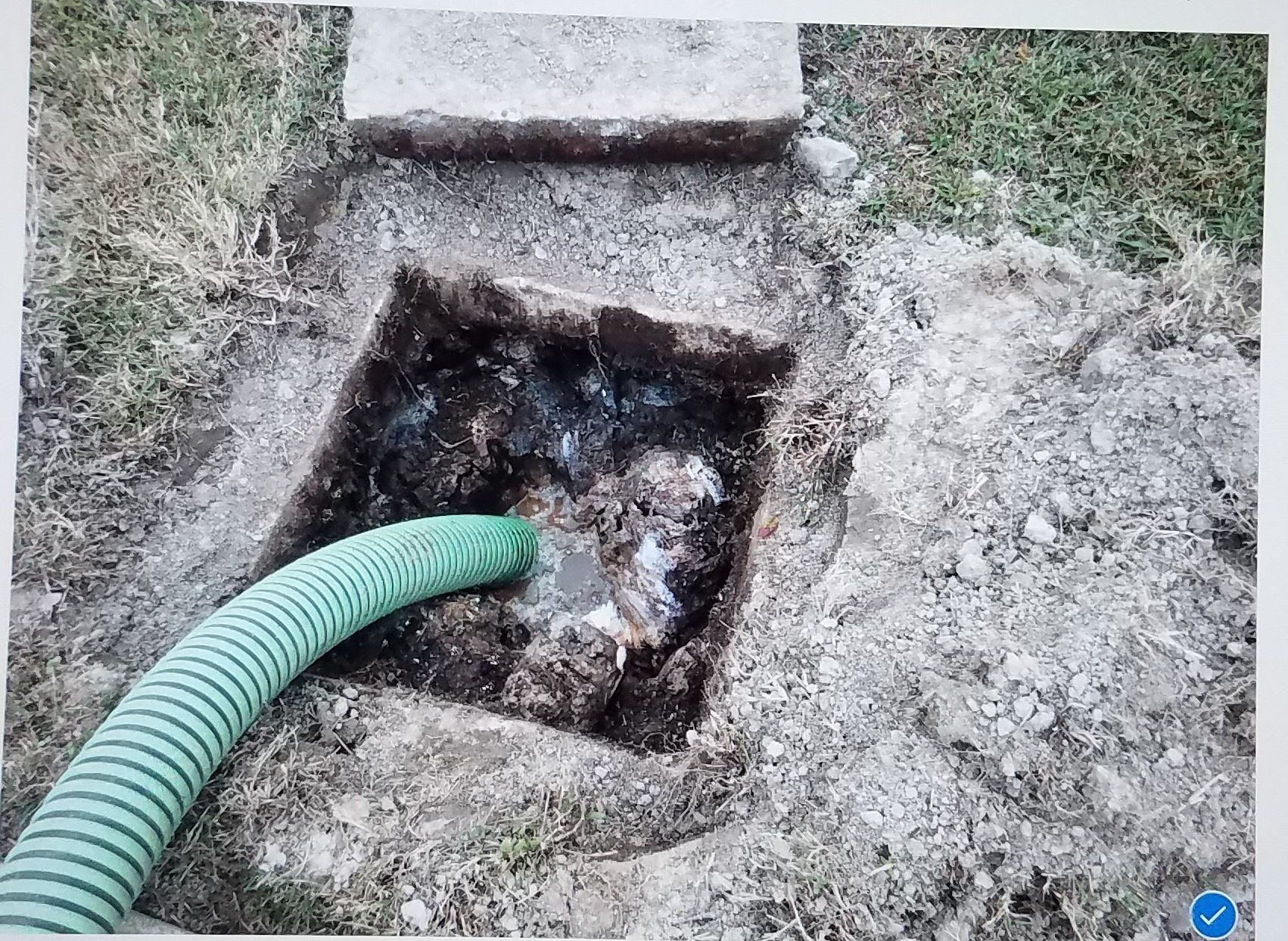
Septic Tank Odors: Troubleshooting and Solutions for Unpleasant Smells
Septic systems are essential for homes without access to public sewer lines. However, they can sometimes produce unpleasant odors, creating a less-than-ideal living environment. If you're experiencing lingering septic tank smells outside your home, it's crucial to address the issue promptly. This article will delve into the common causes of these odors, provide effective troubleshooting steps, and offer practical solutions to eliminate them.
Causes of Septic Tank Odors
Septic tank smells usually stem from a breakdown in the normal biological processes within the tank or problems with the drainage field. Here are the most frequent culprits:
1. Overloading and Improper Maintenance
A septic system needs regular maintenance to function optimally. Overloading the tank with excessive waste can disrupt the bacteria responsible for breaking down organic matter. This imbalance can lead to foul-smelling gases being released.
2. Drainage Field Issues
The drainage field, also known as the leach field, is a critical component of a septic system. It allows treated wastewater to seep slowly into the ground. Problems with the drainage field can lead to poor drainage and odor generation.
3. Septic Tank Components
Problems with the septic tank itself can also contribute to external odors.
Troubleshooting Septic Tank Odors
Before calling a professional, try these troubleshooting steps to identify the source of the odor:
1. Inspect the Septic Tank
Visually inspect the tank for any visible signs of damage, such as cracks or loose lids. Check the vent pipe to ensure it's unobstructed. If you notice any problems, contact a qualified septic tank technician for repairs.
2. Check for Overloading
Review your household's waste generation patterns. Consider whether you're exceeding the septic tank's capacity. If you suspect overloading, schedule a pumping service.
3. Assess the Drainage Field
Examine the area around the drainage field for signs of poor drainage, such as standing water or wet patches. Look for any visible damage or obstructions to the drainage field.
4. Identify Potential Obstructions
Look for potential obstructions in the drainage system, such as tree roots, debris, or compacted soil. Investigate whether any landscaping changes or new plantings may have affected the drainage field.
Solutions for Eliminating Septic Tank Odors
Once you've identified the cause of the odor, you can implement appropriate solutions:
1. Regular Maintenance and Pumping
Schedule regular septic tank pumping services to prevent sludge and scum buildup. Adhere to a recommended pumping schedule, typically every 3-5 years.
2. Proper Waste Disposal
Practice proper waste disposal by avoiding the following:
3. Drainage Field Repair
If your drainage field is clogged or damaged, it needs professional repair or replacement. A qualified technician can diagnose the issue and recommend the appropriate solution.
4. Septic Tank Repairs
Address any damage to the septic tank promptly. Repair or replace loose lids, fix cracks, and ensure the vent pipe is clear.
5. Odor Neutralizing Products
Consider using odor-neutralizing products designed specifically for septic systems. These products can help mask unpleasant smells, but they don't address the underlying cause.
6. Landscaping Considerations
Avoid planting trees or shrubs near the drainage field, as their roots can cause blockages. Also, be mindful of the water runoff from your landscaping. Direct it away from the septic system to prevent soil saturation.
Preventing Future Odors
After addressing the current odor issue, take preventative measures to avoid future problems:
Conclusion
Septic tank odors can be a nuisance, but they are usually preventable and treatable. By understanding the causes and implementing appropriate solutions, you can eliminate these unpleasant smells and ensure the longevity of your septic system. If you suspect a problem with your septic system, don't hesitate to contact a qualified professional for expert advice and assistance.


