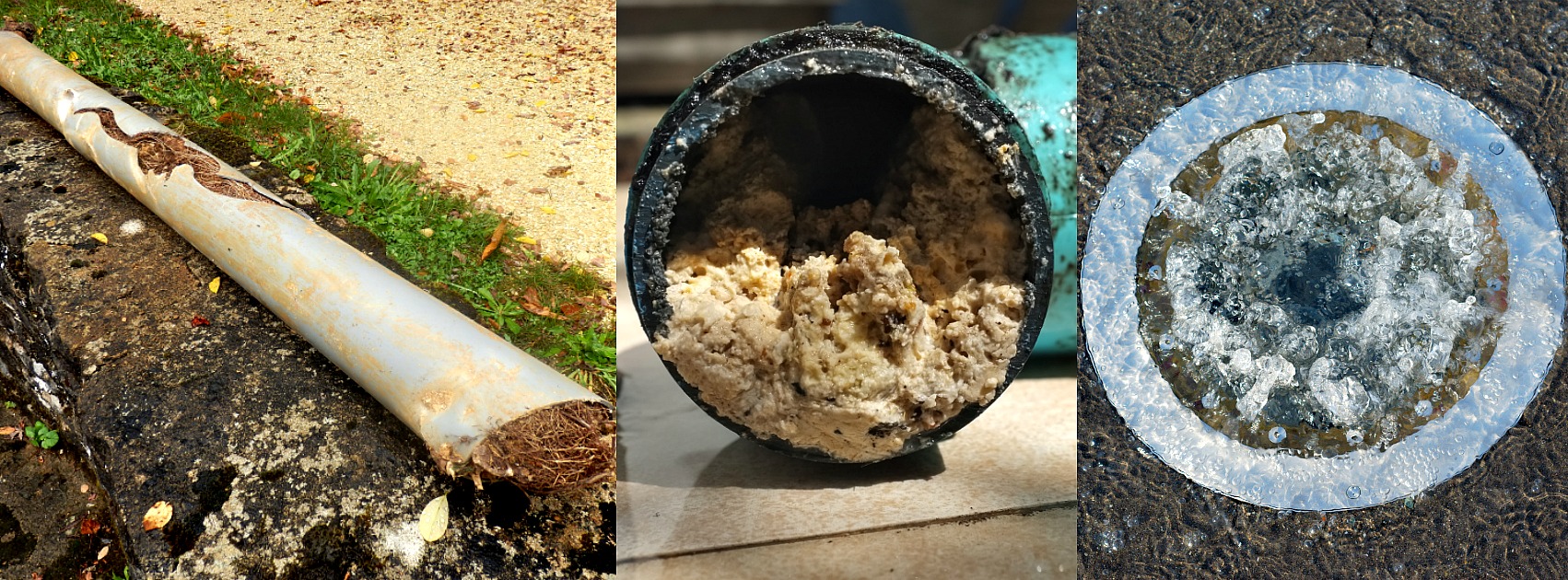
The presence of foul odors emanating from your home's plumbing system can be a disconcerting and unpleasant experience. Often, these smells are attributed to a malfunctioning septic system, specifically clogged pipes. This article provides a comprehensive guide to understanding the causes of septic tank odor stemming from pipe blockages and offers practical solutions to eliminate this issue.
Understanding the Root of the Problem:
A septic system is a self-contained wastewater treatment system commonly found in areas lacking access to public sewer lines. It comprises a septic tank, a leach field, and connecting pipes. The septic tank serves as the initial treatment area, where solids settle to the bottom, and liquids flow into the leach field. This field consists of underground trenches filled with gravel, allowing the treated wastewater to disperse into the surrounding soil.
Clogged pipes can disrupt this delicate balance, leading to a range of unpleasant consequences, including:
Backups and overflows: Blockages prevent wastewater from flowing smoothly, leading to backups in toilets, sinks, and drains, potentially overflowing into the house.
Septic tank odor: Clogged pipes can cause sewage to back up into the tank, creating a strong and unpleasant odor that permeates the surrounding area.
System overload: Blockages put added stress on the septic tank and leach field, potentially leading to premature failure of these components.
Common Causes of Clogged Pipes:
Understanding the common culprits responsible for clogged pipes is crucial in effectively preventing and resolving this issue. These include:
Grease and oil: These substances solidify as they cool, accumulating in pipes and restricting water flow.
Hair and food particles: Hair from showers and food scraps from kitchen sinks readily stick together, forming obstructions.
Toilet paper and flushable wipes: While some wipes claim to be flushable, their composition often does not readily break down, contributing to blockages.
Tree roots: Invasive tree roots can penetrate pipes, seeking out moisture and nutrients, ultimately restricting the flow of wastewater.
Sediment buildup: Over time, natural sediment from the wastewater can accumulate in the pipes, leading to gradual narrowing and blockages.
Addressing Septic Tank Odor from Clogged Pipes:
Once the source of the odor is identified as clogged pipes, a systematic approach is needed to eliminate the problem. This includes:
1. Diagnosis:
Visual inspection: Inspecting visible drain lines and septic tank access points can reveal signs of blockage, such as overflowing drains or visible sediment accumulation.
Chemical inspection: Using a drain cleaning solution, such as a commercially available enzyme-based product, can help break down grease and food particles, revealing potential blockages.
Professional assessment: If the issue persists or requires a more in-depth analysis, consult a qualified plumber or septic system specialist. They can use tools like a sewer camera to identify the location and severity of the blockage.
2. Cleaning and Maintenance:
Preventative measures: Regular preventative measures are crucial to minimize the risk of future blockages. These include:
Grease trap: Installing a grease trap in the kitchen sink can prevent fat and oil from entering the drain lines.
Hair strainer: Using a hair strainer in the shower drain can capture hair before it reaches the pipes.
Proper disposal: Avoiding flushing non-biodegradable items like wipes, paper towels, and sanitary products down the toilet.
Regular cleaning: Cleaning the drain lines periodically with a specialized drain cleaner or a plunger can remove accumulated debris.
Professional cleaning: If a blockage is identified, a professional plumber can use specialized equipment like a drain snake or hydro-jetting to clear the obstruction effectively.
3. Septic System Maintenance:
Regular pumping: Septic tanks require regular pumping to remove accumulated solids. This should be done every 2-3 years, depending on the size of the tank and the number of occupants.
Leach field inspection: The leach field should be inspected periodically for signs of damage or malfunction. This includes checking for drainage issues, excessive moisture, and any vegetation growing over the field.
Proper usage: Limiting the amount of wastewater flowing into the system can prolong its lifespan. This includes minimizing water usage for laundry, showers, and other activities.
4. Emergency Measures:
Temporary solutions: If the odor is severe and requires immediate attention, try temporarily diverting wastewater from the affected area by using a bucket or a portable toilet until professional help arrives.
Professional repair: If the issue persists or involves a complex blockage, seek professional help from a qualified plumber or septic system specialist. They can assess the situation and recommend appropriate repairs or replacements.
Conclusion:
Septic tank odor caused by clogged pipes can be a significant source of inconvenience and discomfort. By understanding the underlying causes, practicing preventative measures, and seeking professional help when necessary, homeowners can effectively address this issue. Regular maintenance, proper usage, and timely repairs are key to maintaining a functional and odor-free septic system.


