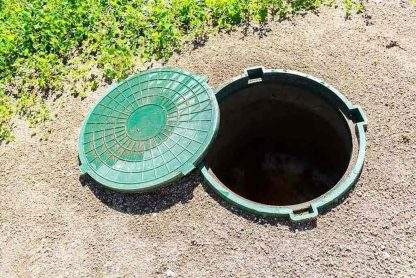
Tackling Septic Tank Odors with Enzyme Treatments
The unpleasant aroma emanating from your septic system can be a source of embarrassment and discomfort. While it's a common issue, it doesn't have to be a permanent fixture. Enzyme treatments offer a natural and effective solution to combat septic tank smells, providing a cleaner, healthier environment for your household.
This article delves into the science behind septic tank odors and how enzyme treatments work to eliminate them. We will explore the benefits of using these treatments, provide step-by-step instructions on how to apply them, and discuss factors to consider when choosing the right enzyme product for your specific needs.
Understanding Septic Tank Odors
The characteristic stench associated with septic systems stems from the breakdown of organic waste within the tank. This process involves bacteria that produce various gases, including hydrogen sulfide (H2S) and methane, which are responsible for the pungent odor.
Several factors can contribute to intensified septic tank odors, including:
- Overloading the system: Exceeding the tank's capacity with excessive waste leads to insufficient decomposition and increased odor production.
- Improper maintenance: Neglecting routine maintenance, such as pumping out the tank and inspecting the system, can worsen odor problems.
- Faulty system components: Leaks or cracks in the tank, leach field, or pipes can allow gases to escape into the surrounding soil and air.
- Excessive use of harsh chemicals: Chemicals like bleach and disinfectants can disrupt the beneficial bacteria in the septic tank, leading to incomplete waste decomposition and foul smells.
Enzyme Treatments: A Natural Solution
Enzyme treatments provide a powerful and environmentally friendly solution for eliminating septic tank odors. They contain beneficial bacteria and enzymes that accelerate the decomposition of organic waste, reducing the production of odor-causing gases.
Here's how enzyme treatments work:
- Breakdown of organic matter: Enzymes act as catalysts, speeding up the breakdown of complex organic molecules, including fats, proteins, and carbohydrates, into simpler compounds.
- Boosting beneficial bacteria: Enzyme treatments introduce beneficial bacteria to the septic tank, enhancing the microbial population responsible for waste decomposition.
- Reducing gas production: By breaking down waste more efficiently, enzyme treatments reduce the production of odor-causing gases like hydrogen sulfide and methane.
- Improving overall system health: Regular enzyme treatment promotes a healthier septic system by maintaining a balanced microbial ecosystem, minimizing the risk of clogs and malfunctions.
Selecting the Right Enzyme Treatment
With a wide array of enzyme products available, choosing the right one for your septic system is crucial. Consider these factors:
- Tank size and capacity: Choose a product that is specifically designed for the size of your septic tank to ensure adequate coverage.
- Strength and concentration: Look for a product with a high concentration of enzymes to provide effective odor elimination and waste breakdown.
- Frequency of application: Determine the recommended application frequency based on the product instructions and your system's usage patterns.
- Ingredients and safety: Ensure the product is safe for your septic system and the environment. Look for biodegradable, non-toxic formulas that are free from harsh chemicals.
- Customer reviews and ratings: Read reviews and ratings from other users to gauge the effectiveness and reliability of the product.
Applying Enzyme Treatments: A Step-by-Step Guide
Applying enzyme treatments is generally straightforward and can be done with minimal effort. Follow these steps for effective application:
- Read the instructions: Before using any enzyme treatment, carefully review the manufacturer's instructions for specific dosage, application methods, and safety precautions.
- Choose a safe location: Select a location near your septic tank, ensuring that the product is not spilled or contaminated during application.
- Mix the product according to instructions: Typically, enzyme treatments are mixed with water before being poured into the septic tank. Refer to the product instructions for the correct mixing ratio.
- Pour the mixture into the septic tank: Gently pour the mixed solution into the septic tank, ensuring it reaches the wastewater. Do not pour directly into the toilet or drain.
- Flush the system: After pouring the enzyme treatment, flush the system by running water in the house for a few minutes to distribute the solution throughout the tank.
- Regular application: Apply the enzyme treatment according to the recommended frequency to maintain a healthy microbial balance in the tank.
- Eliminates unpleasant odors: Enzyme treatments effectively neutralize and eliminate odors by accelerating waste decomposition and reducing gas production.
- Improves system performance: Regular enzyme use promotes a balanced microbial ecosystem, preventing clogs and enhancing the overall efficiency of the septic system.
- Enhances environmental sustainability: Enzyme treatments are biodegradable and non-toxic, minimizing environmental impact compared to harsh chemicals.
- Cost-effective solution: Enzyme treatments are typically more affordable than traditional methods like septic tank pumping, making them a cost-effective solution for long-term odor control.
- Promotes a healthier home environment: By reducing odors and improving system performance, enzyme treatments contribute to a cleaner and healthier living environment for your household.
- Avoid harsh chemicals: Limit the use of bleach, disinfectants, and other harsh chemicals that can disrupt the beneficial bacteria in your septic tank.
- Practice proper waste disposal: Avoid flushing non-biodegradable items, such as disposable wipes, feminine hygiene products, and paper towels, down the toilet.
- Schedule regular pumping: Ensure your septic tank is pumped out every 3-5 years or as needed to maintain optimal performance and minimize odor production.
- Inspect the system regularly: Conduct periodic inspections of your septic system to identify any potential issues, such as leaks or cracks, that could contribute to odors.
- Monitor the system's performance: Pay attention to any changes in the system's performance, such as slow drains, gurgling sounds, or unusually strong odors, and address them promptly.
Benefits of Using Enzyme Treatments
Enzyme treatments offer numerous benefits for your septic system and overall household well-being:
Additional Tips for Effective Odor Control
In addition to enzyme treatments, consider these helpful tips for minimizing septic tank odors:
Conclusion
Septic tank odors can be a nuisance, but enzyme treatments offer a natural and effective solution for eliminating them. By introducing beneficial bacteria and enzymes that accelerate waste decomposition, these treatments create a healthier microbial environment in your septic tank, minimizing odor production and promoting efficient system performance.
Choosing the right enzyme product for your specific needs, applying it correctly, and implementing additional odor control measures can ensure a cleaner, healthier, and more pleasant living environment for your household.


