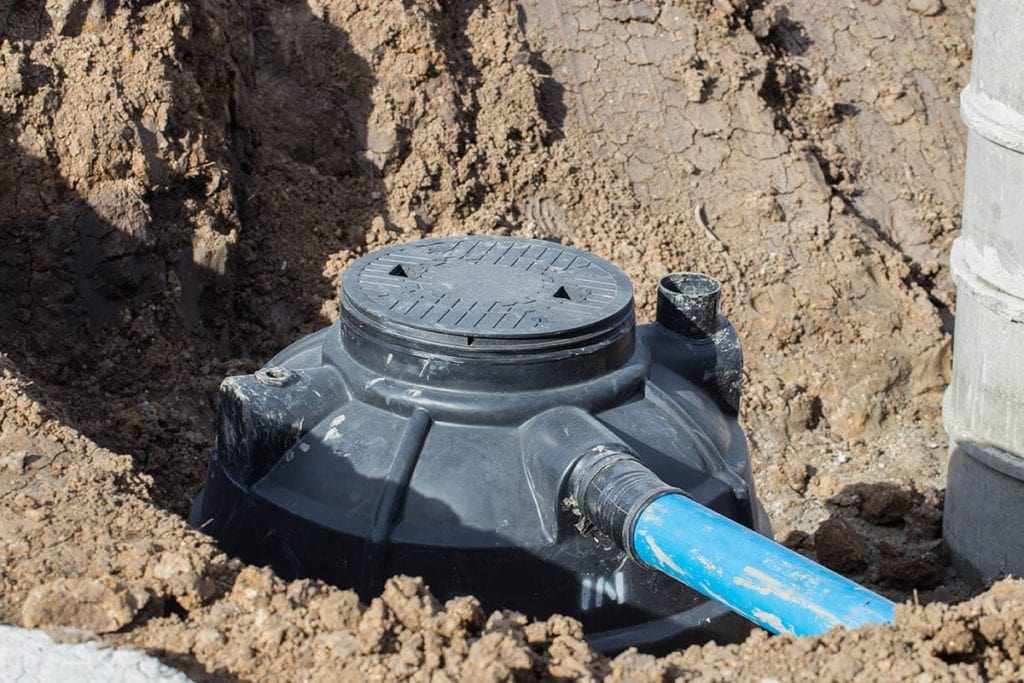
Banishing Those Pesky Septic Tank Odors in Humid Climates
Living in a humid climate has its perks â€" lush greenery, warm weather, and… the ever-present threat of that dreaded septic tank smell creeping into your home. Ugh, right? Believe me, I get it. I've been there, battling those funky odors myself. But don't despair! While humidity makes things a bit trickier, it's definitely manageable. This guide is your battle plan for keeping those septic tank smells at bay, even in the most humid of environments.
Understanding the Humidity-Odor Connection
Before we dive into solutions, let's quickly talk about *why* humidity makes septic tank odors worse. Simply put, humid air holds more moisture. And that moisture helps those smelly gases â€" things like hydrogen sulfide and methane â€" stay suspended in the air longer. They don't dissipate as quickly as they would in drier climates, making them more likely to waft into your home. Think of it like this: humidity is the perfect accomplice for those smelly gases, helping them linger and make your life miserable.
Proactive Steps to Prevent Septic Tank Odors
The best way to deal with septic tank odors is to prevent them in the first place. Think of this as a proactive defense strategy. Here's how to build a strong one:
Regular Septic Tank Pumping
This is the cornerstone of odor prevention. A full septic tank is a recipe for disaster â€" literally! When your tank is overflowing or nearing capacity, wastewater backs up, leading to the release of those nasty gases. Schedule regular pumping based on your household size and usage. A good rule of thumb is every 3-5 years, but your septic system installer can give you a more precise timeline. Don't wait for problems to arise â€" be proactive!
Smart Wastewater Management
What goes down your drains plays a significant role. Avoid flushing things that don't belong there, like:
- Flushable wipes: These are a major culprit! They don't break down easily and can clog your system.
- Feminine hygiene products:
- Cotton balls and Q-tips:
- Excessive amounts of grease and oil:
- Paper towels:
- Coffee grounds (in large quantities):
These items can contribute to clogs and create anaerobic conditions (lack of oxygen) in your tank, leading to increased odor production. Think of your septic system as a delicate ecosystem; treat it with respect!
Maintaining Your Drain Field
Your drain field is where the treated wastewater disperses into the soil. It's crucial to keep this area clear of anything that could impede its function. Avoid driving or parking over your drain field. Heavy vehicles can compact the soil, hindering drainage and potentially leading to backups and odors. Also, ensure that there's proper vegetation around the area; don't let it get overgrown.
Regular Inspections
Just like a car needs regular maintenance, your septic system does too. Schedule annual inspections with a qualified septic professional. They can identify potential problems early on, before they escalate into major (and smelly) issues.
Addressing Existing Odors: Reactive Measures
Even with the best preventative measures, odors can still sneak up on you. Here's what to do if you've already got a stinky situation on your hands:
Identify the Source
Before you start spraying air fresheners (which only mask the problem, not solve it!), try to pinpoint the source of the odor. Is it coming from the septic tank itself, a drain in your house, or the vent pipe outside?
Ventilation is Key
Good ventilation is essential for removing odor-causing gases. Ensure your septic tank vent pipe is unobstructed and extends high enough above ground. If you notice any clogs or blockages, have a professional clear them. Consider installing additional vents in your home's bathrooms and laundry room if you are still struggling with lingering smells. Proper ventilation makes a HUGE difference!
Enzyme Treatments
These are helpful in breaking down organic matter in your septic tank, reducing odor-causing bacteria. Follow the instructions carefully. They're not a replacement for regular pumping but can be a useful addition to your septic maintenance routine.
Baking Soda and Vinegar
This is a quick fix for minor odor issues. Pour a cup of baking soda down a smelly drain, followed by a cup of vinegar. Let it fizz, then flush with hot water. This isn't a long-term solution, but it can temporarily neutralize odors.
Professional Help
If the odor persists despite your efforts, it's time to call in the professionals. A septic service can diagnose the problem and provide the appropriate solution, whether it's pumping, repairs, or even system replacement.
Living with a Septic System in a Humid Climate: Long-Term Strategies
Living with a septic system in a humid climate requires a bit more vigilance, but it's entirely manageable. By adopting these long-term strategies, you'll significantly reduce your chances of encountering those unpleasant septic odors:
- Regular Maintenance is Your Best Friend: Don't skip those regular pumping and inspections. They're truly worth their weight in gold (and will save you a lot of smelly headaches).
- Mindful Water Usage: Reducing water usage can lessen the load on your system, potentially preventing backups.
- Landscaping Considerations: Ensure proper drainage around your septic system. Avoid planting trees with extensive root systems near your drain field, as they could damage the pipes.
- Stay Informed: Keep learning about septic systems and maintenance. There's always more to learn, and the more you know, the better you can protect your system (and your nose!).
Commonly Asked Questions
Q: How often should I pump my septic tank?
A: The frequency depends on your household size and water usage. Generally, every 3-5 years is a good rule of thumb, but it's best to consult with a septic professional for a personalized recommendation.
Q: What if I smell sewer gas inside my house?
A: This is a serious issue! It could indicate a backup or leak in your septic system. Contact a septic professional immediately.
Q: Can I use bleach to clean my septic tank?
A: No, bleach can actually harm the beneficial bacteria in your septic tank that aid in the breakdown of waste. Stick to enzyme treatments or call a professional for cleaning if needed.
Q: What are the signs of a failing septic system?
A: Signs include slow drains, gurgling sounds from drains, foul odors, sewage backups, and lush, unusually green grass over your drain field. If you notice any of these, contact a professional immediately.
Q: How much does septic tank pumping cost?
A: The cost varies depending on your location and the size of your tank. It's best to get quotes from several septic service providers in your area.
Remember, a little proactive effort goes a long way in preventing those nasty septic tank odors, especially in humid climates! Happy odor-free living!


